
The Portage County Current Owner Record
The county does not publish a full field list for its Real Estate Tax Parcel owner card. Treat the parcel screen as a starting point. It locates the current tax account. Check each value it displays against a recorded instrument before relying on it. These fields form a comparison set for a current-owner review. Several may not appear together on one screen.
| Owner of record | Check the live parcel result; exact display not verified |
|---|---|
| Vesting / grantee | Read the most recent deed for the named legal owner |
| Mailing address | Tax-notice destination; field visibility not verified |
| Situs address | Physical parcel locator, supported by GIS address points |
| Deed reference | Use the recording date and document number from the index |
| Ownership date | Use the recorded transfer date, not an assumed tax-roll refresh date |
The tax record's owner is not automatically the occupant. A mailing address can belong to a trust. It may instead list an LLC, an estate representative, or an out-of-area owner. No standard refresh delay between recording and a parcel-roll update is published. When recency matters, rely on the deed. Open the Portage County Real Estate Tax Parcel search to pull the live account.
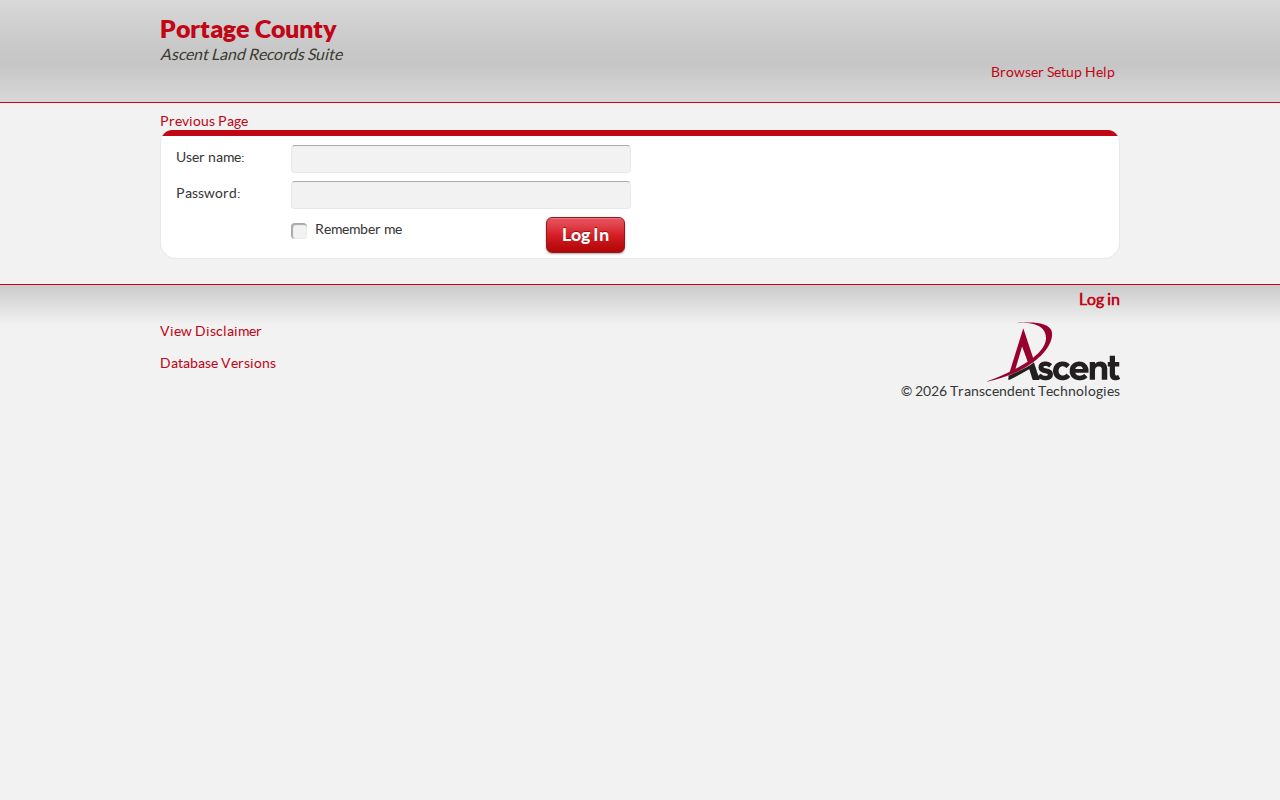
This image shows the portal's entry point rather than a finished owner card. Verify the name and date in the live result.
Portage County Tax Roll Timing After a Deed
The Register of Deeds recording date is the clearest proof. It shows an instrument entered the land-record system. The tax parcel listing is different. It is an administrative record. It may not change right away. Portage County publishes no typical refresh delay, so assign no fixed number of days. If a recently purchased parcel still shows a prior owner, check the deed index. Ask the custodian whether the tax display has been updated.
Recording time also shapes a same-day search. Documents reaching the county after 3:30 p.m. are recorded the next business day. A late-day delivery may lack a recording reference when someone checks. Tapestry's 2013 launch and the parcel portal's update schedule describe different stages. The recording desk's cutoff describes yet another. Compare them by stamped date and document number. Ask the office if the instrument is not yet visible.
For online records, rely on the recording date and document number. Do not rely on a name label. The county's indexing starts in 1984. Document images begin in 1997, and Fidlar service dates to 2013. Backscans reach to 1856, the county reports. These cutoffs can limit image access. They do not define how long a current parcel roll takes to refresh.
Confirm the Current Owner in the Latest Portage County Deed
Search the Register of Deeds index for the newest deed tied to the parcel or owner. Compare the grantee against the current tax display. Read the legal description to confirm the same tract. One deed can transfer more than one parcel. Names may vary through initials, marital names, or entity punctuation. A document recorded after 3:30 p.m. is stamped the next business day, which explains a short delay.
Start at the county's Fidlar Tapestry land-record search. Preserve the instrument reference once you find it.
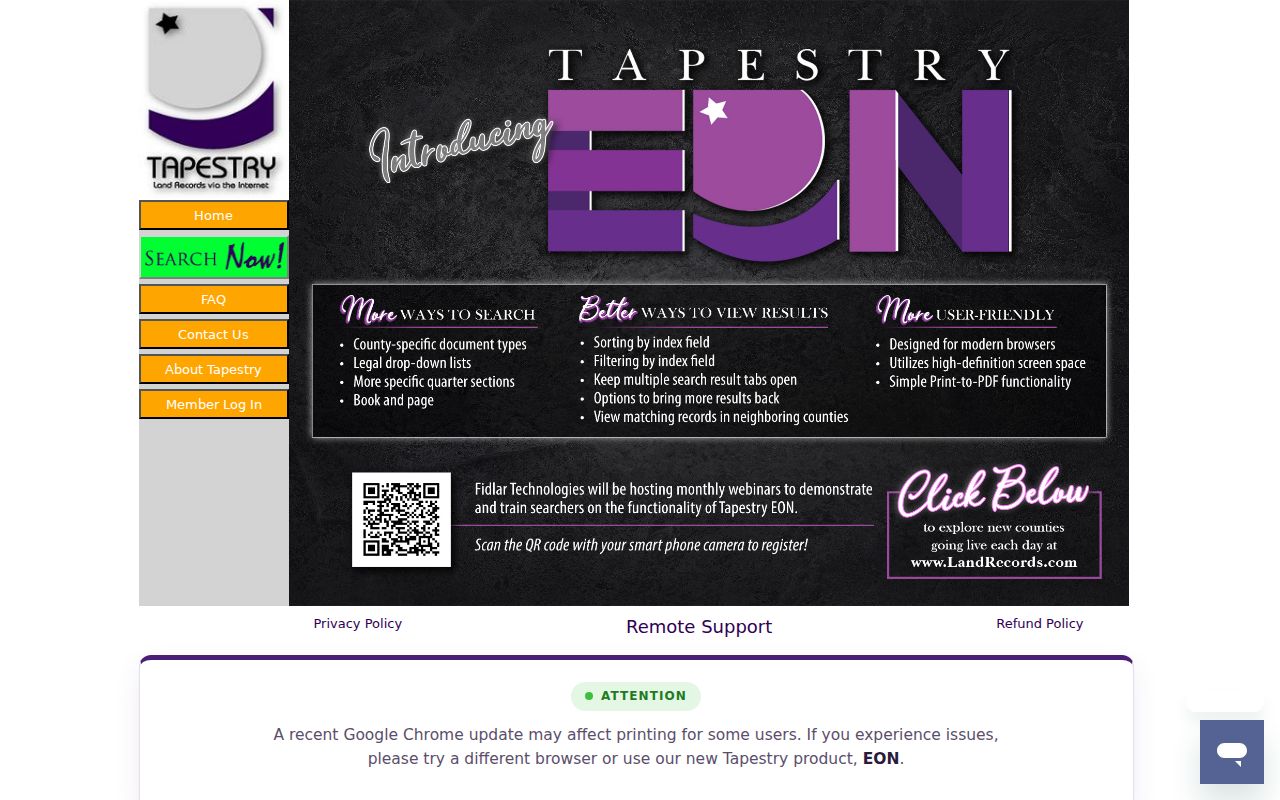
The deed index confirms the recorded grantee. The assessor roll answers who appears on the tax account.
Portage County Owners Listed Through a Business Entity
A deed may name an LLC, corporation, or trust. Search Wisconsin DFI for that entity's status and history. DFI can return registered-agent and office details, current or former names, entity type, filing history, and an identifier. It does not disclose domestic LLC members or every beneficial owner. A registered agent accepts service of process, and that role never makes the agent the owner of the real estate.
Match the exact organization name from the deed. Similar DFI results are not automatically the same entity. Check status and prior names when the company changed its legal name. Then go back to the recorded deed. Use the Wisconsin DFI entity search to review the business record.
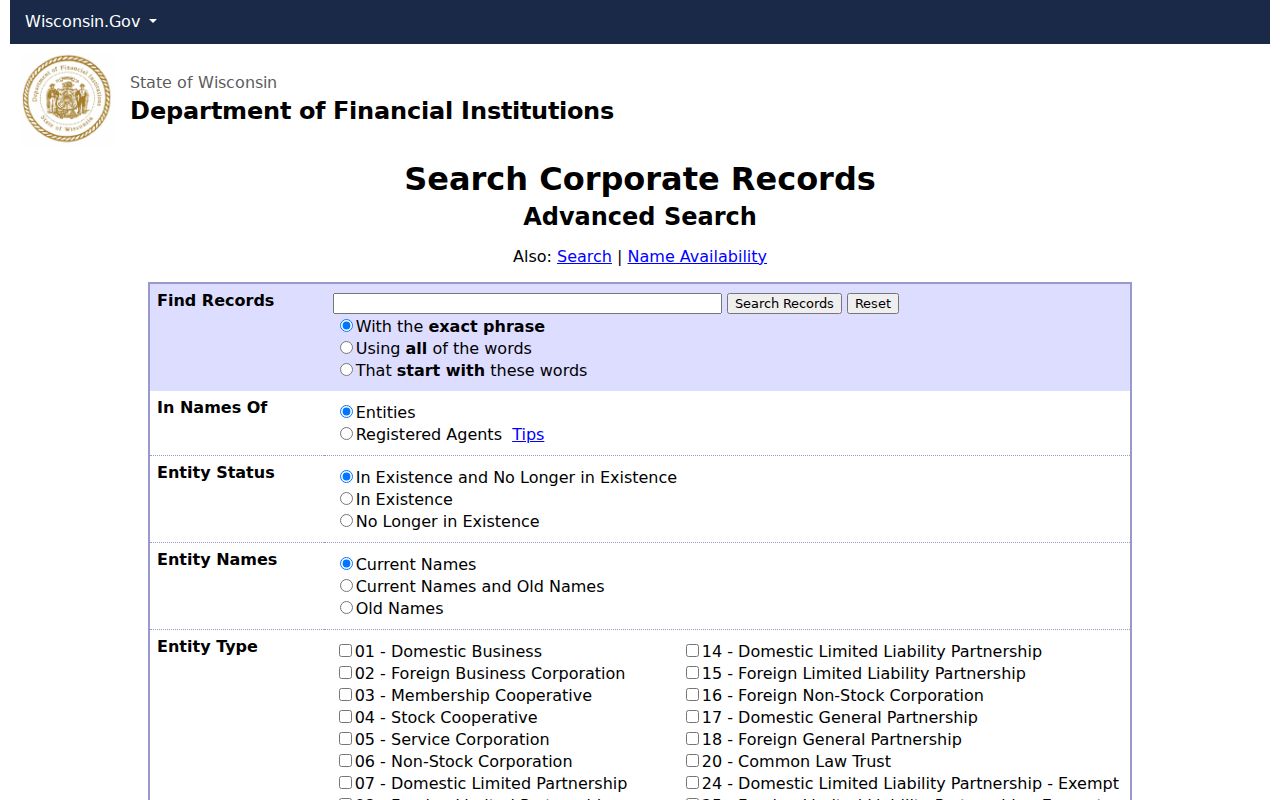
Entity status can explain a name. Only the land document ties that entity to a Portage County parcel.
Verifying a Portage County Current Owner
A repeatable check works best when a purchase, estate, or tax question turns on the present name. The parcel display identifies the account. The deed confirms the recorded grantee and the land conveyed. A map owner layer helps with orientation. It is not a title certificate. When a record is unclear, carry the parcel ID and legal description to the Register of Deeds or the relevant assessor rather than widening an uncertain name search.
- Find the parcel in the live county tax listing and record what the current display shows.
- Open the latest deed in Tapestry and compare its grantee and legal description.
- Search DFI if the grantee is an entity, keeping agent status separate from ownership.
- Use the mailing and situs addresses as different fields; do not infer residence from either.
- Owner of record
- The name displayed by the relevant tax or assessment account.
- Vesting
- The way a deed identifies the grantee's interest or capacity.
- Registered agent
- The service contact listed for an entity, not necessarily its owner.
Credits Do Not Prove Who Lives at a Portage County Property
Lottery tax credits belong to the tax account. They do not answer the question of who owns a Portage County property. Eligibility for the credit follows its own rules. A deed, by contrast, names the actual parties to a transfer. So treat a mismatch between a mailing address and the situs as a signal. Pull the deed records then. It is not evidence of where someone lives.
Wisconsin's public-records law also carves out exceptions. Protected-address rules can shield identifying details. The Safe at Home program may give participants a substitute address. When a custodian withholds or redacts information, honor that restriction. Do not try to rebuild the missing details from a GIS map or plat.
Use Portage County's Property Fraud Alert as a Notice
Portage County links a name-monitoring service that flags possible fraudulent land-record filings. An alert is only a notice. It does not prove the owner or the title changed. Before assuming anything, confirm the parties, recording date, and document number in the Register of Deeds index. Enrollment terms live on the service's own page, so check there before signing up. The Property Fraud Alert service stands apart from a current-owner check, adding a layer of protection rather than replacing one.
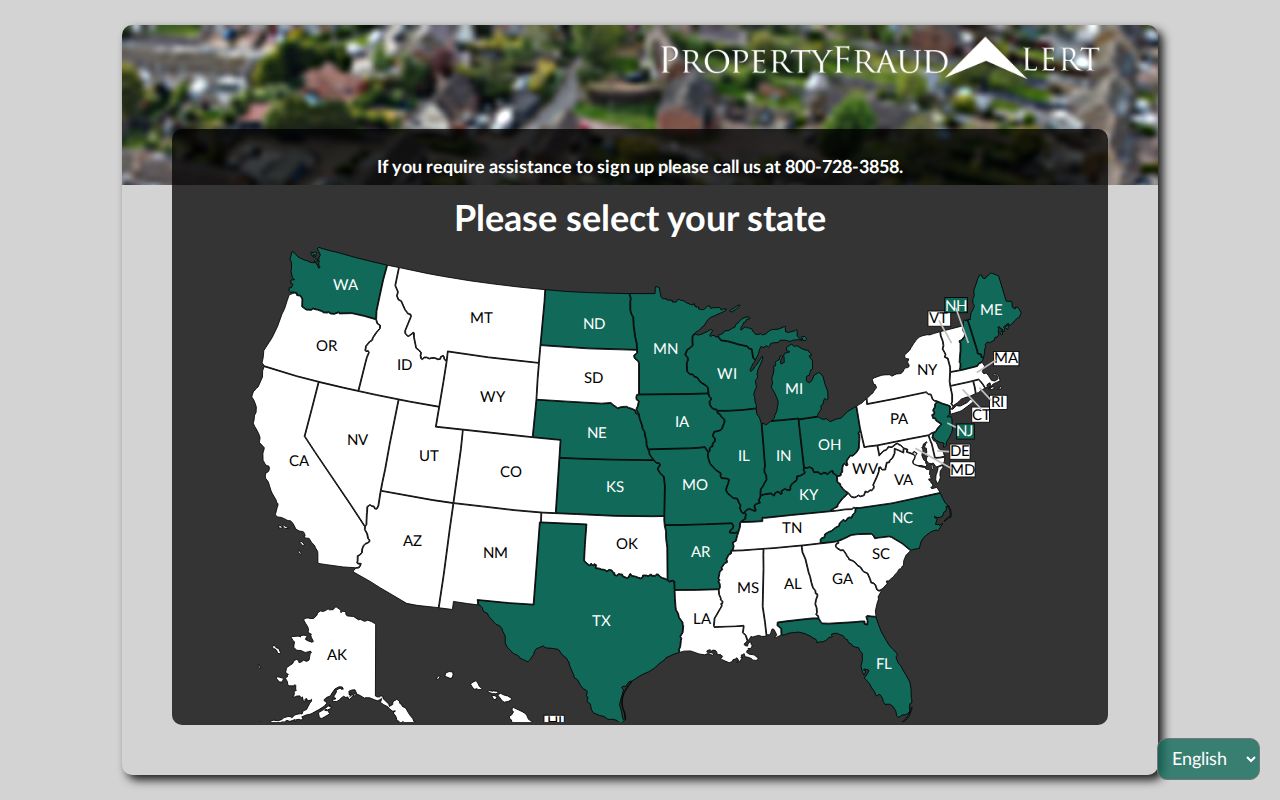
An alert is only a tip, so pull the recorded deed itself from the county recorder before treating any notice as a true change in ownership.
Using Portage County Owner Information Responsibly
A mailing address in Portage County property records is administrative data. It is not an invitation to infer someone's residence or make unwanted contact. Legitimate uses include tracing property history. Others are weighing a purchase or handling a lawful matter tied to the parcel. Keep the focus on the parcel, not the person. A responsible owner search ends with the deed parties. It never becomes a hunt for private details about the owner of record.
Lawful use. Do not use Portage County owner records to stalk, harass, intimidate or harm anyone. Confirm facts with the custodian before relying on a tax display or index entry.